
Welding Studs
Welding studs for secure and permanent connections
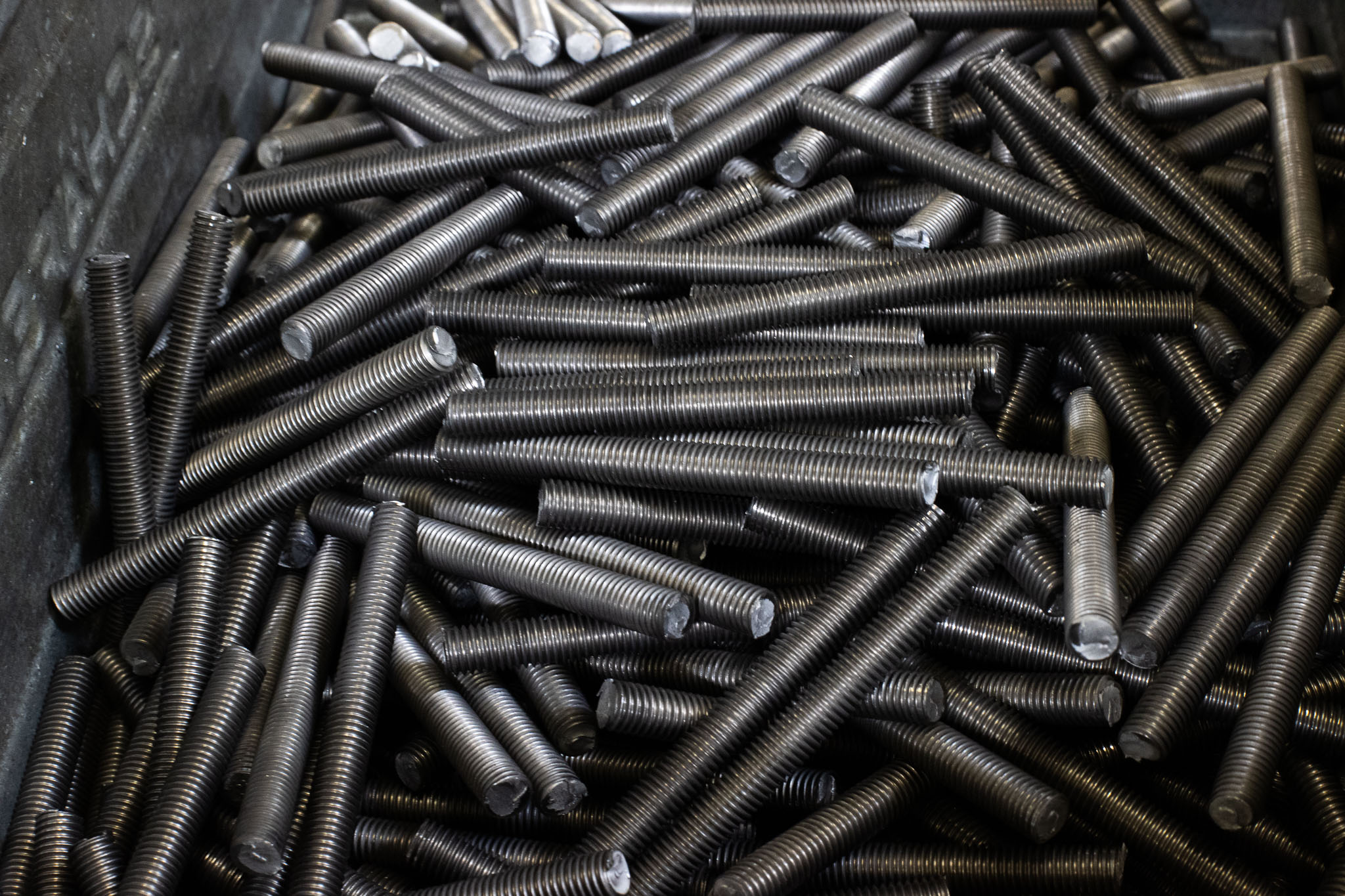
Welding studs enable fast, economical, and permanent fastening on metallic surfaces. Welding takes place directly with the base material, without requiring the component to be drilled or accessible from the rear. This guarantees sealed component surfaces, short assembly times, and high connection quality. Hilbig GmbH supplies welding studs for shipbuilding, the offshore sector, and general plant engineering. In addition to DIN standard parts, we also manufacture custom special studs and small series – precisely tailored to your geometry, materials, and chosen welding process.
Studs and pins
DIN EN ISO 13918
Welding process
DIN EN ISO 14555
Quality requirements
DIN EN ISO 3834
Welding studs from Hilbig GmbH
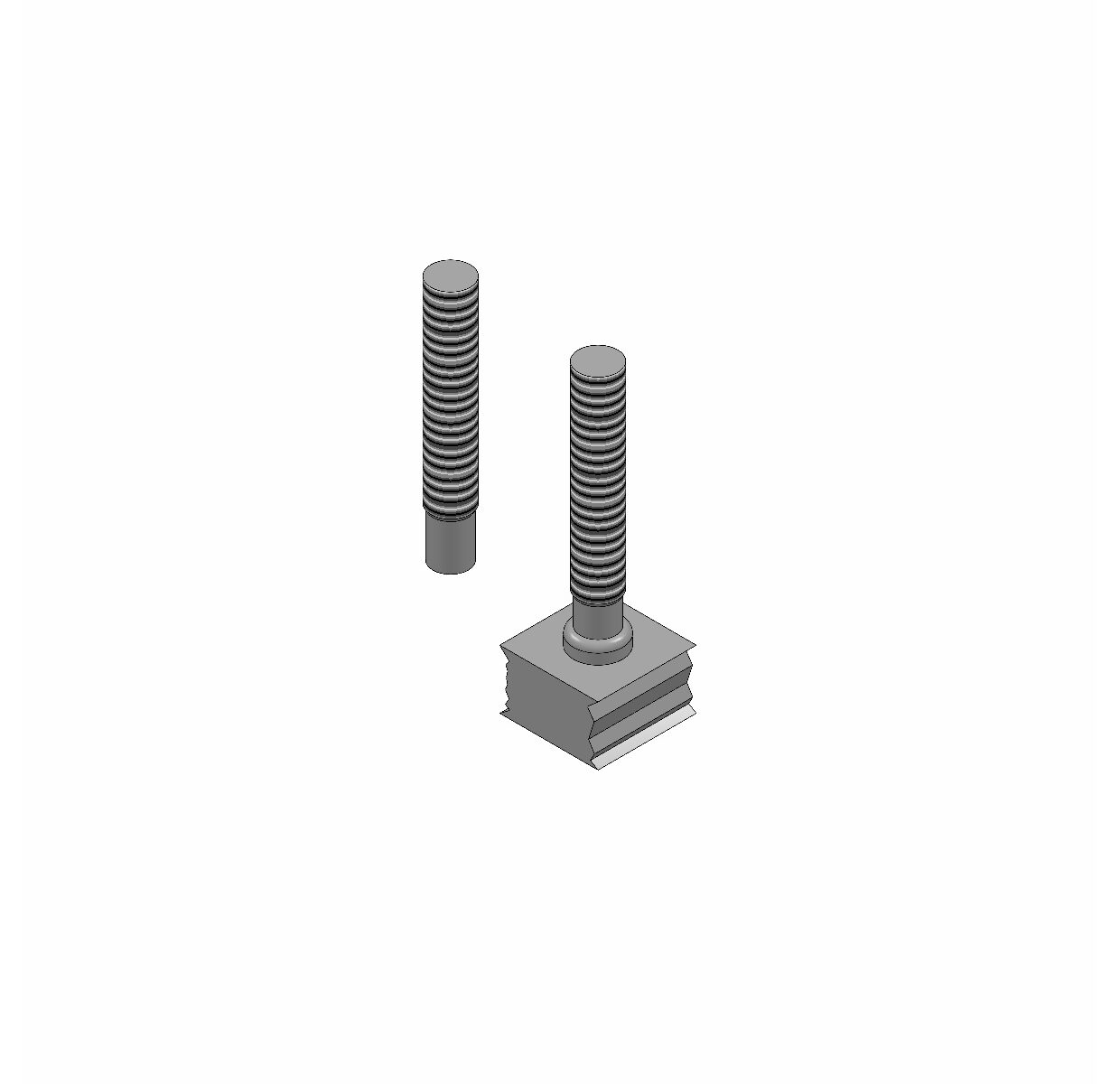
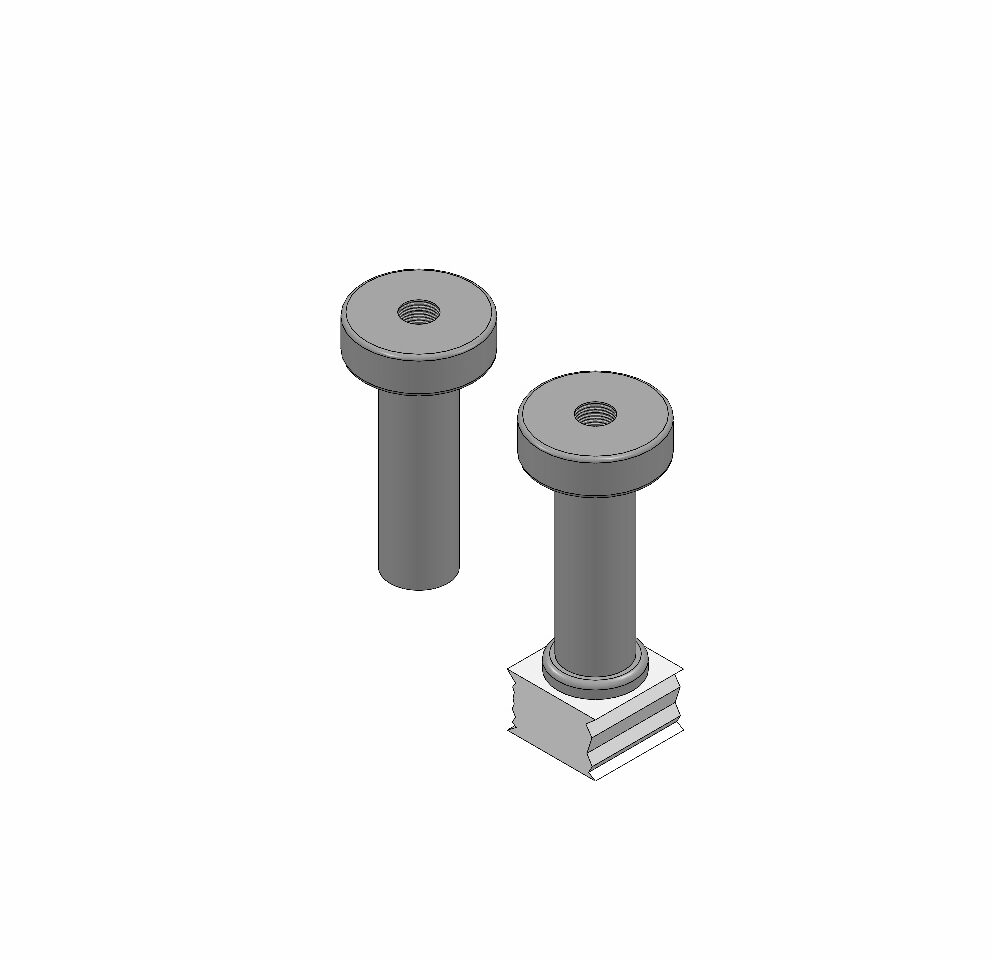
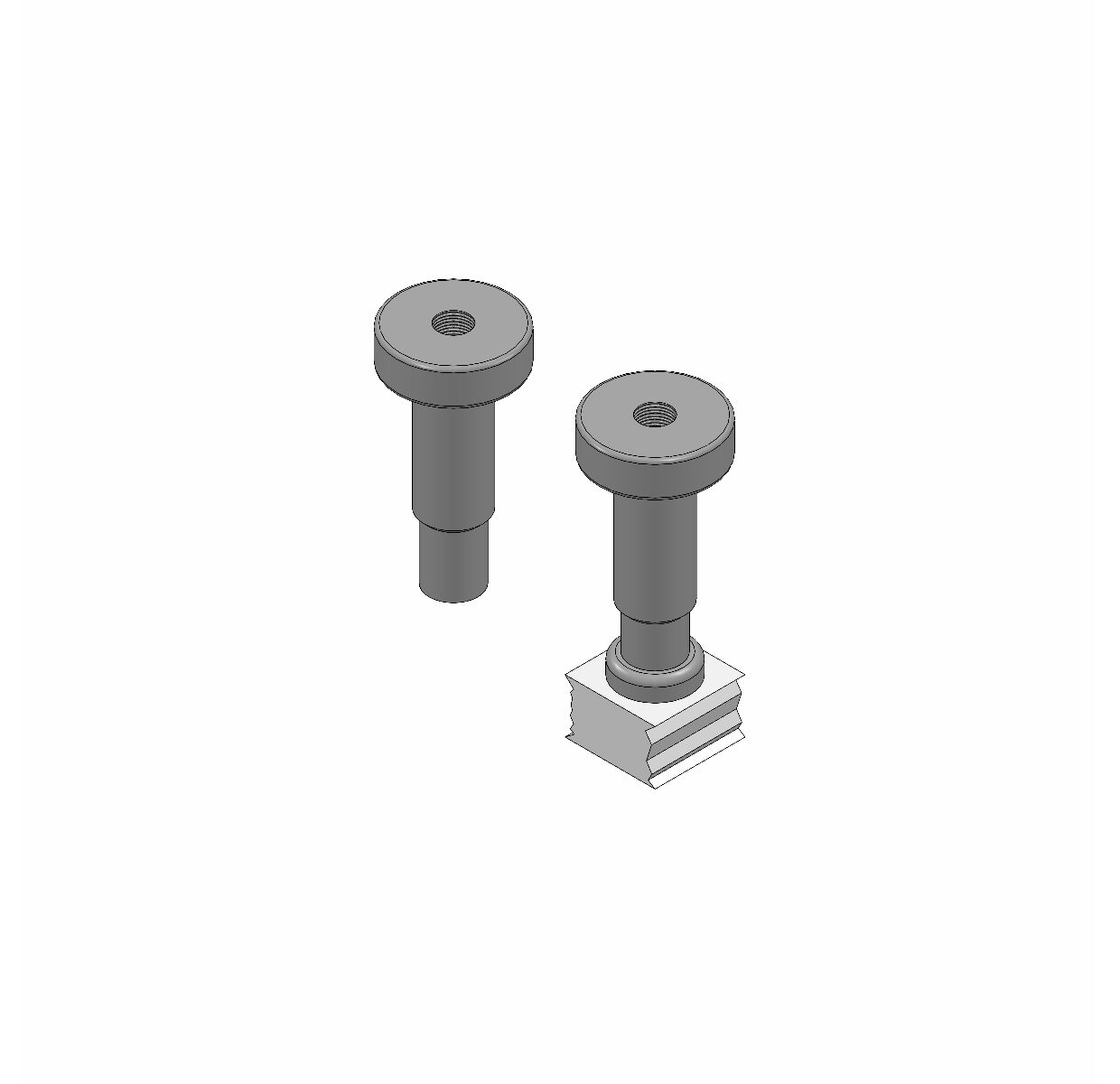
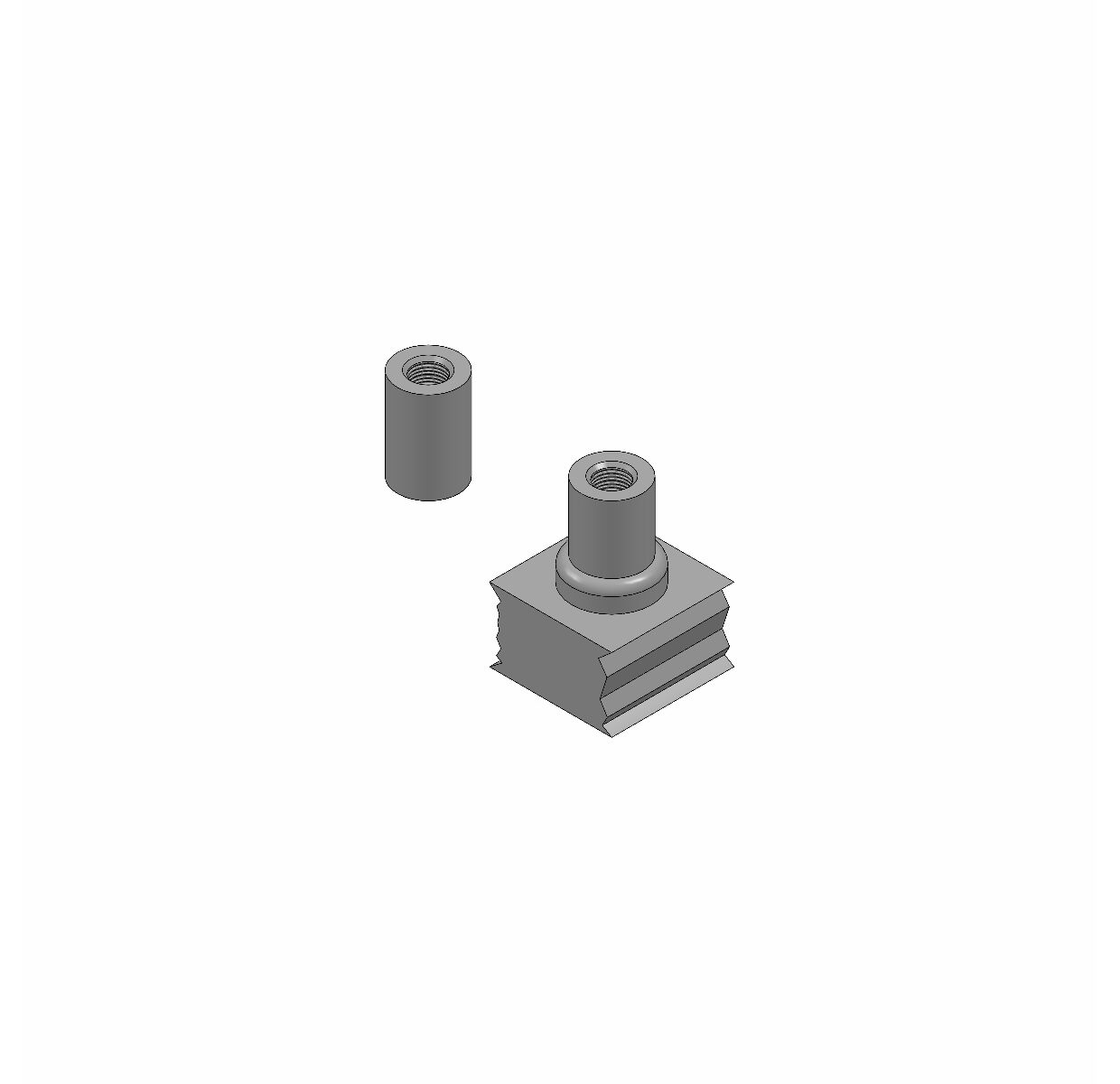
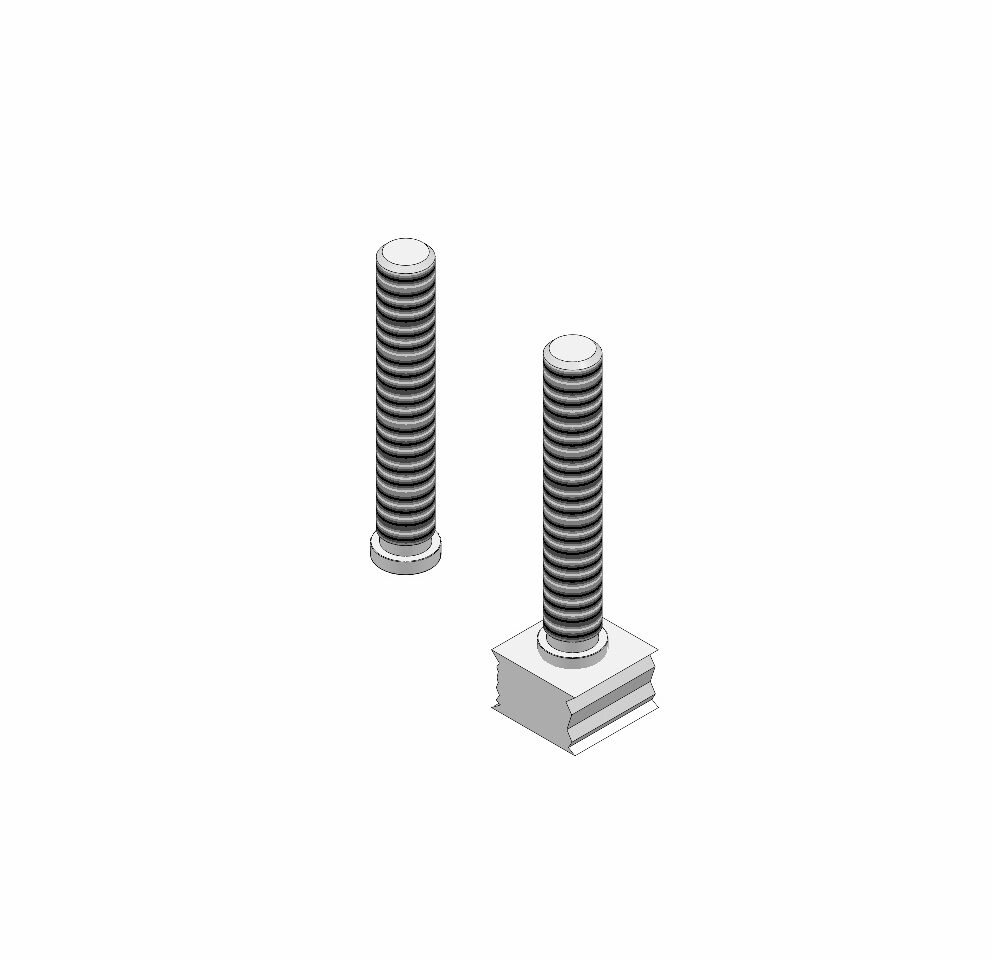
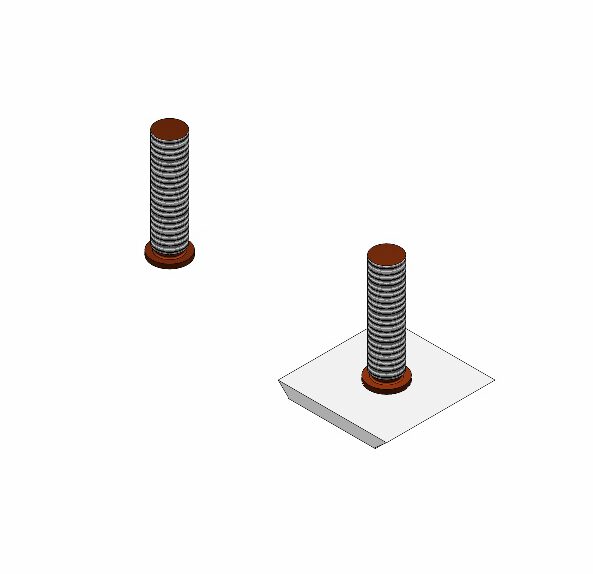
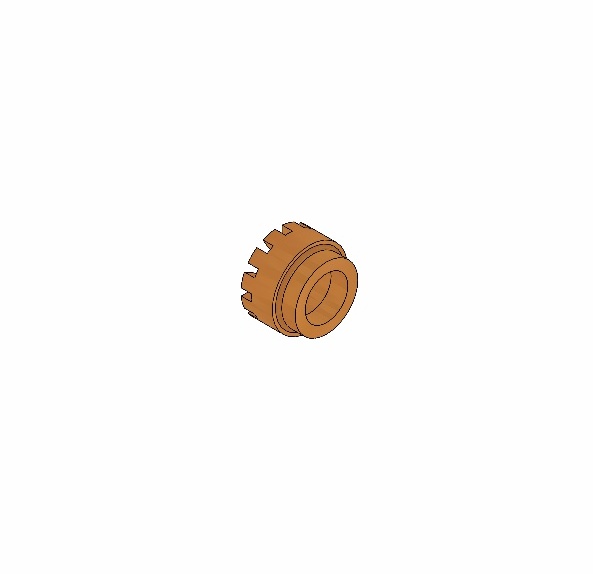
Technology & Design

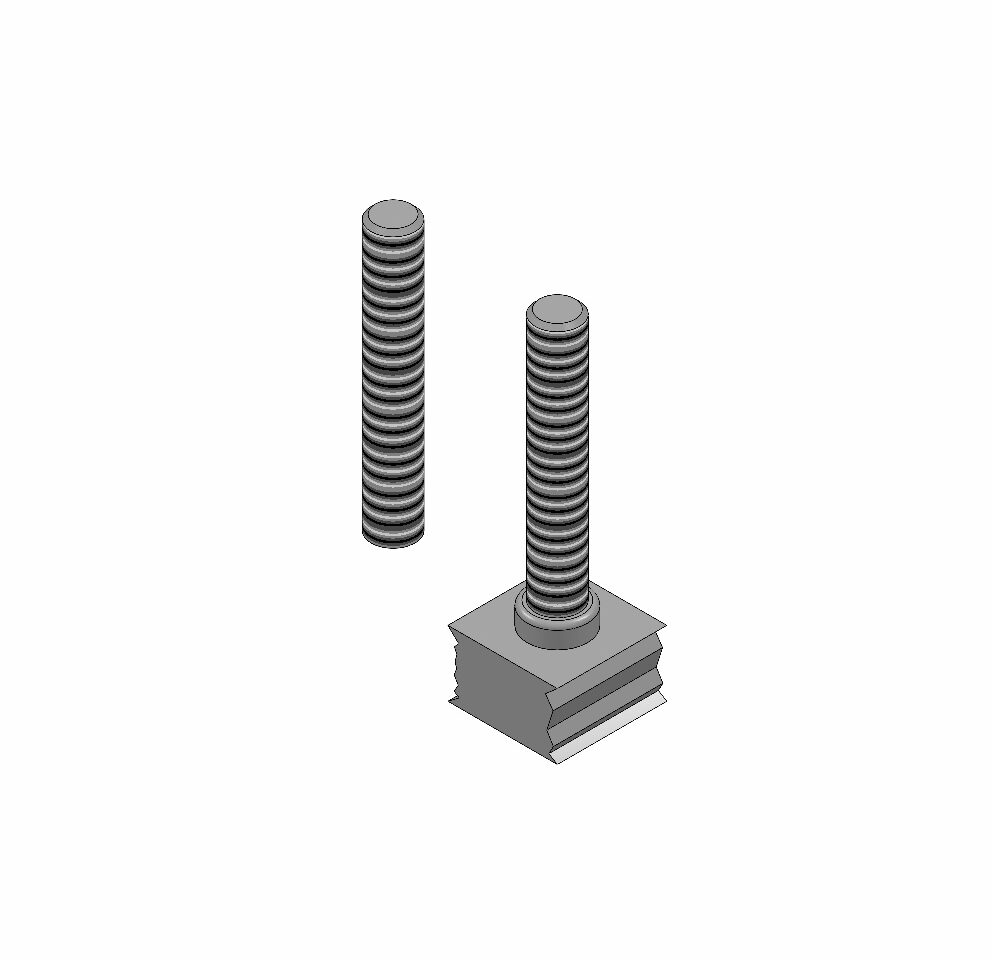
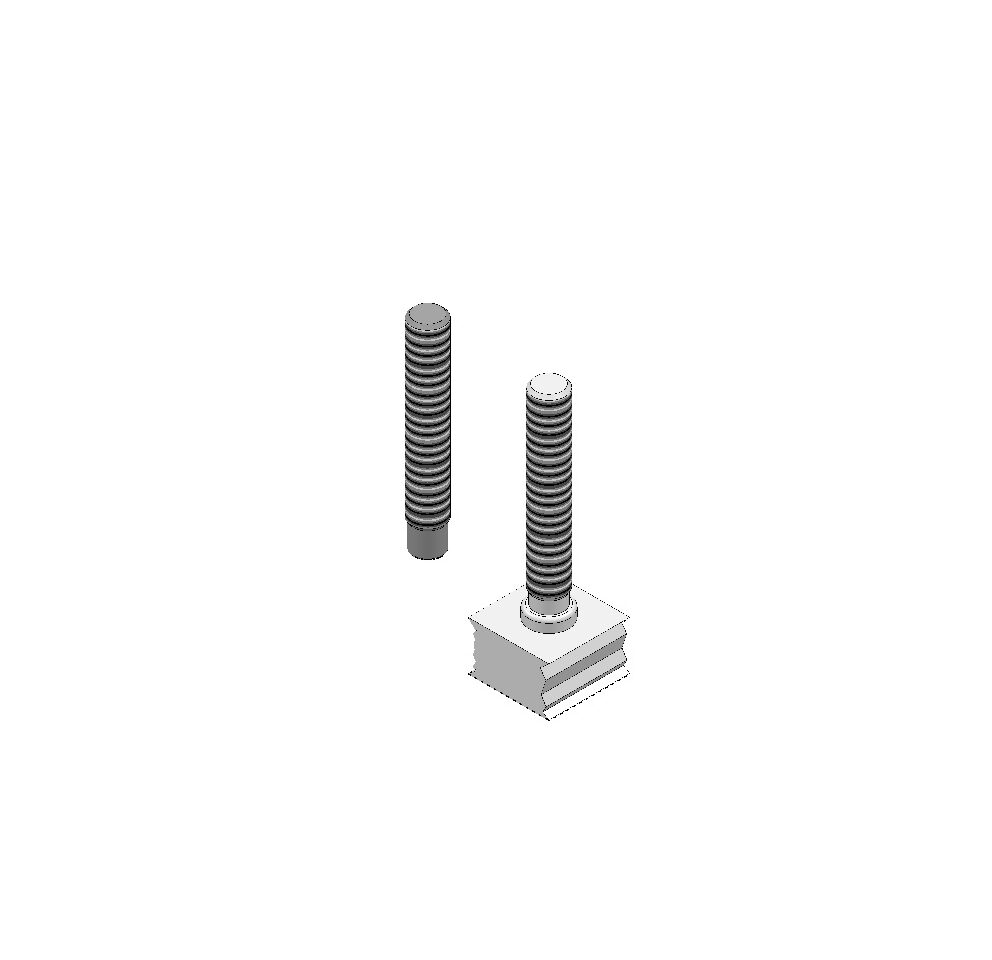
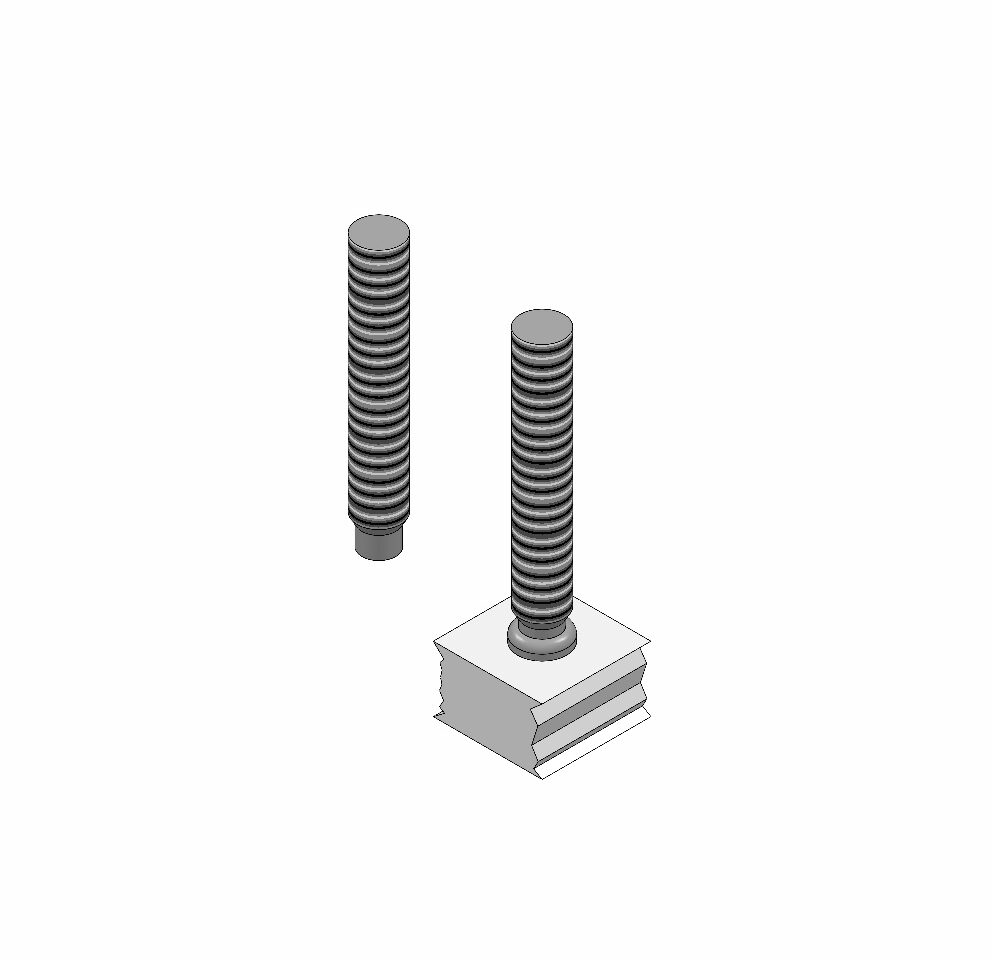
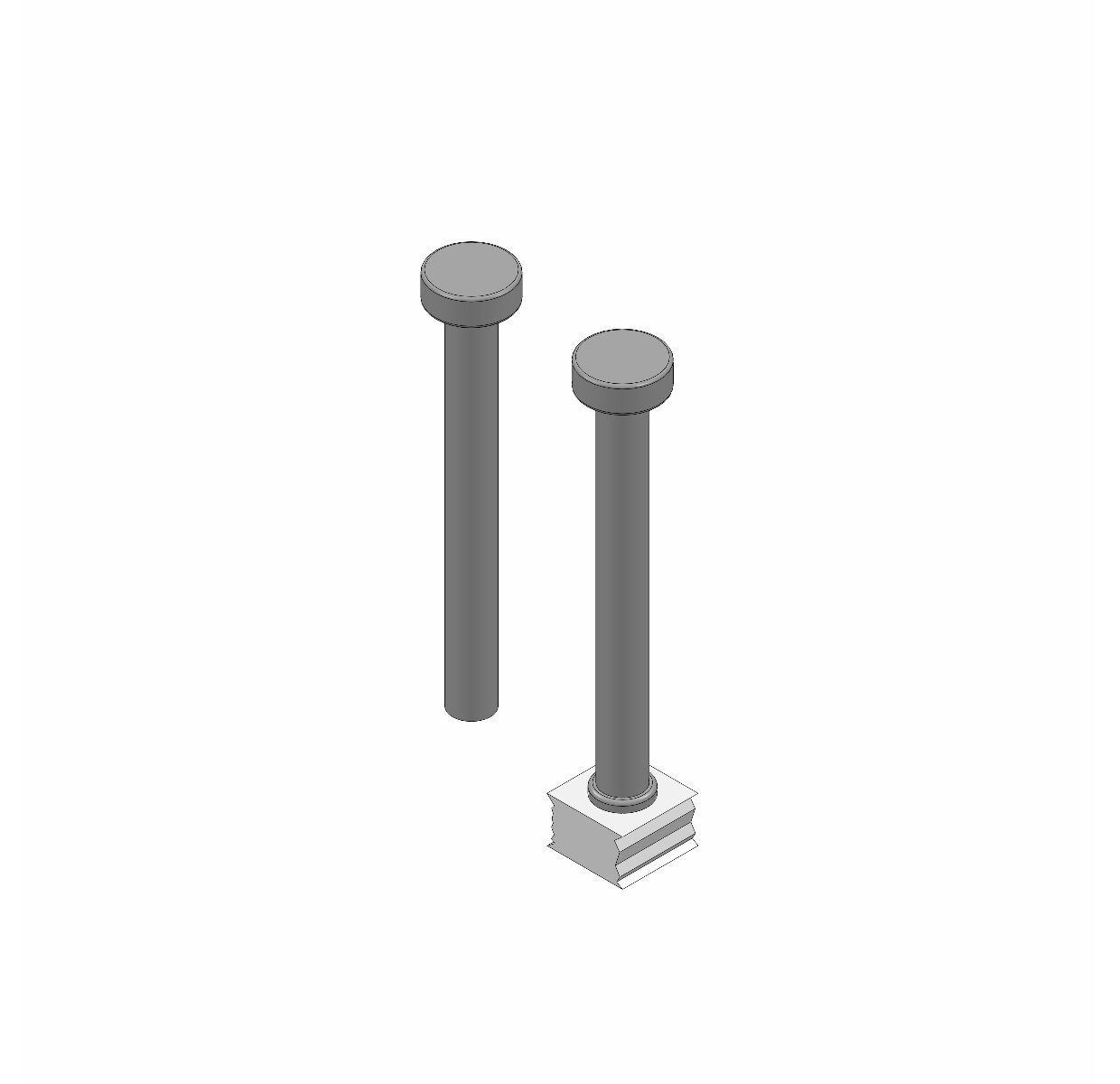
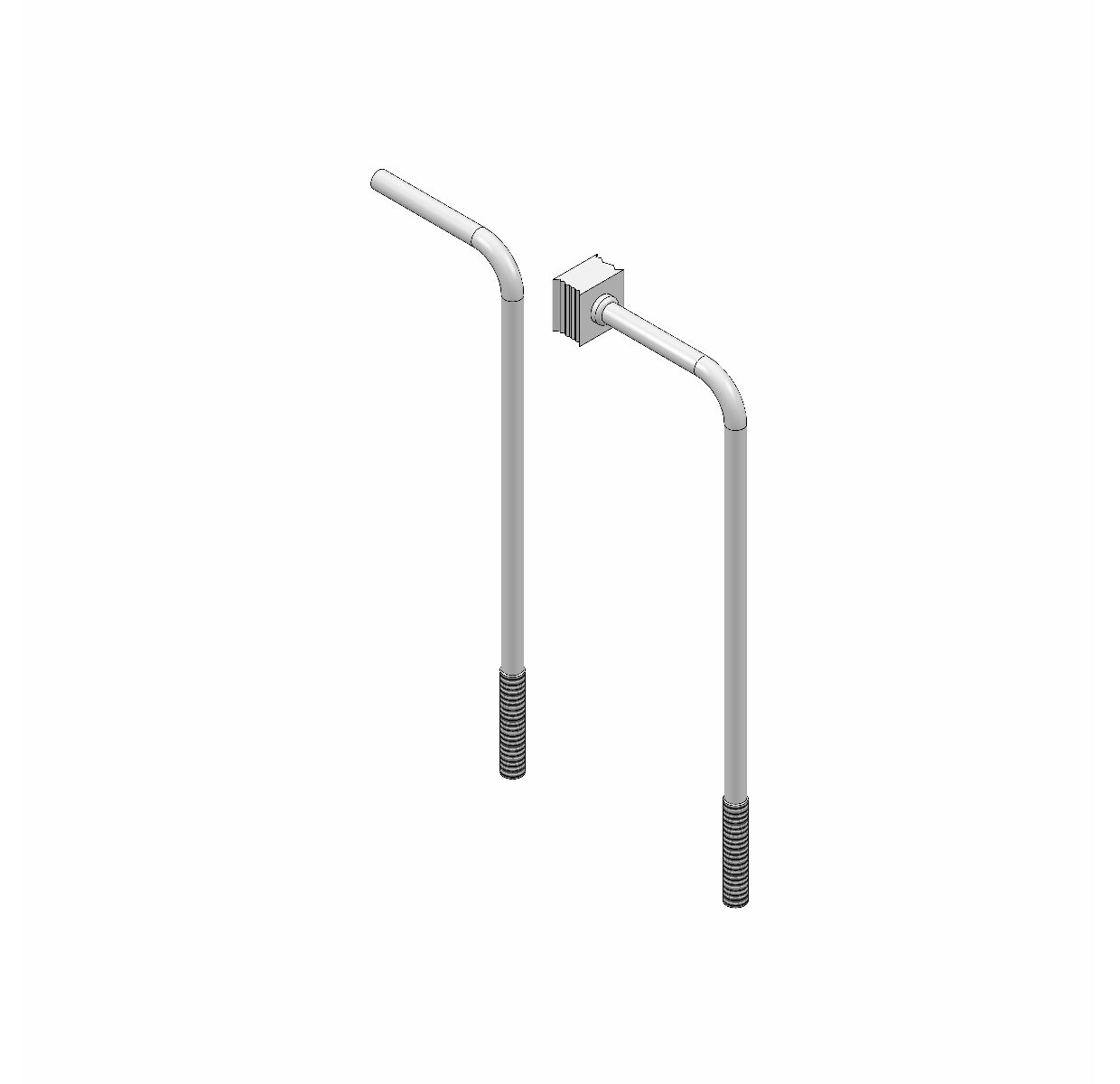
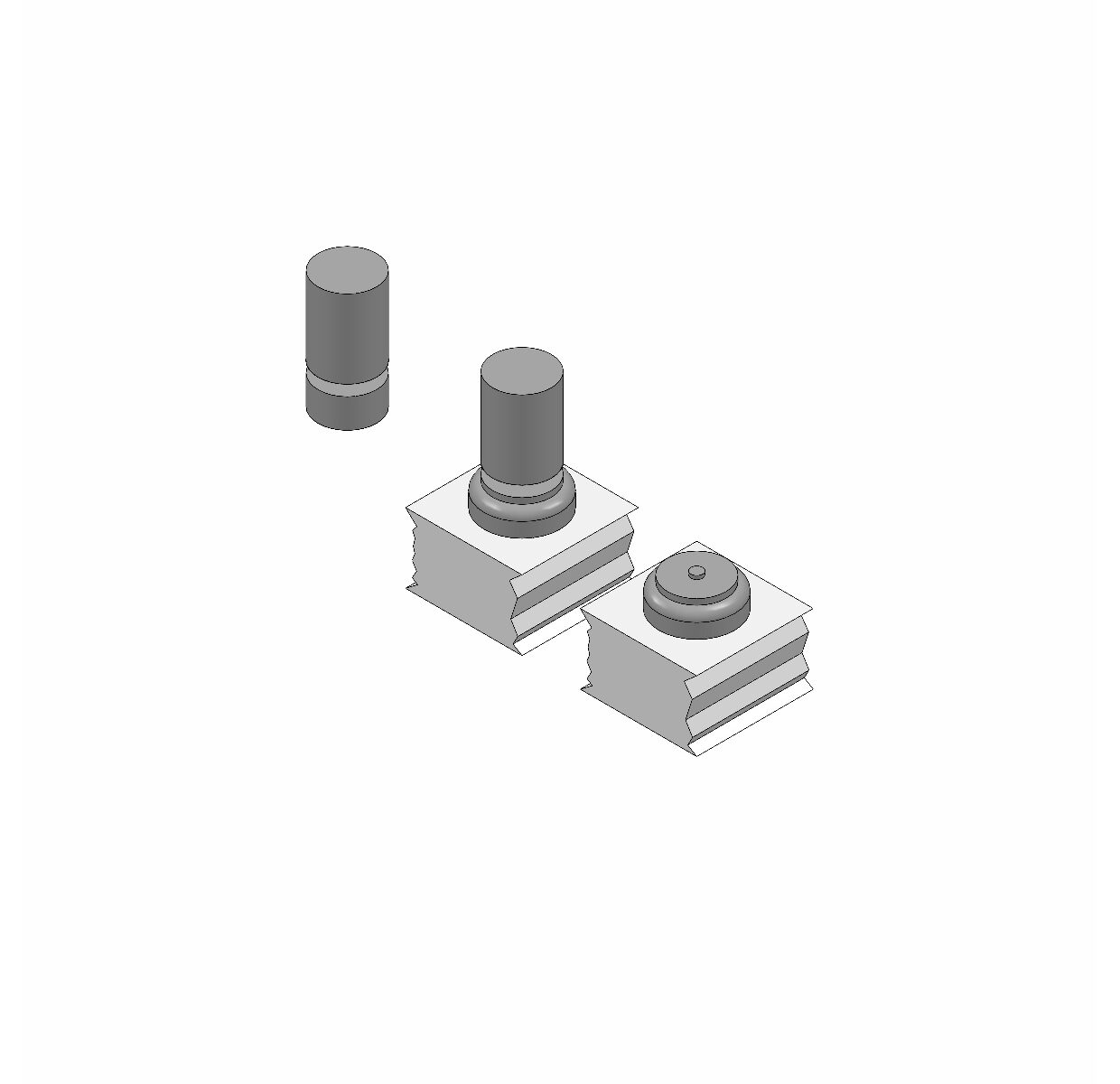
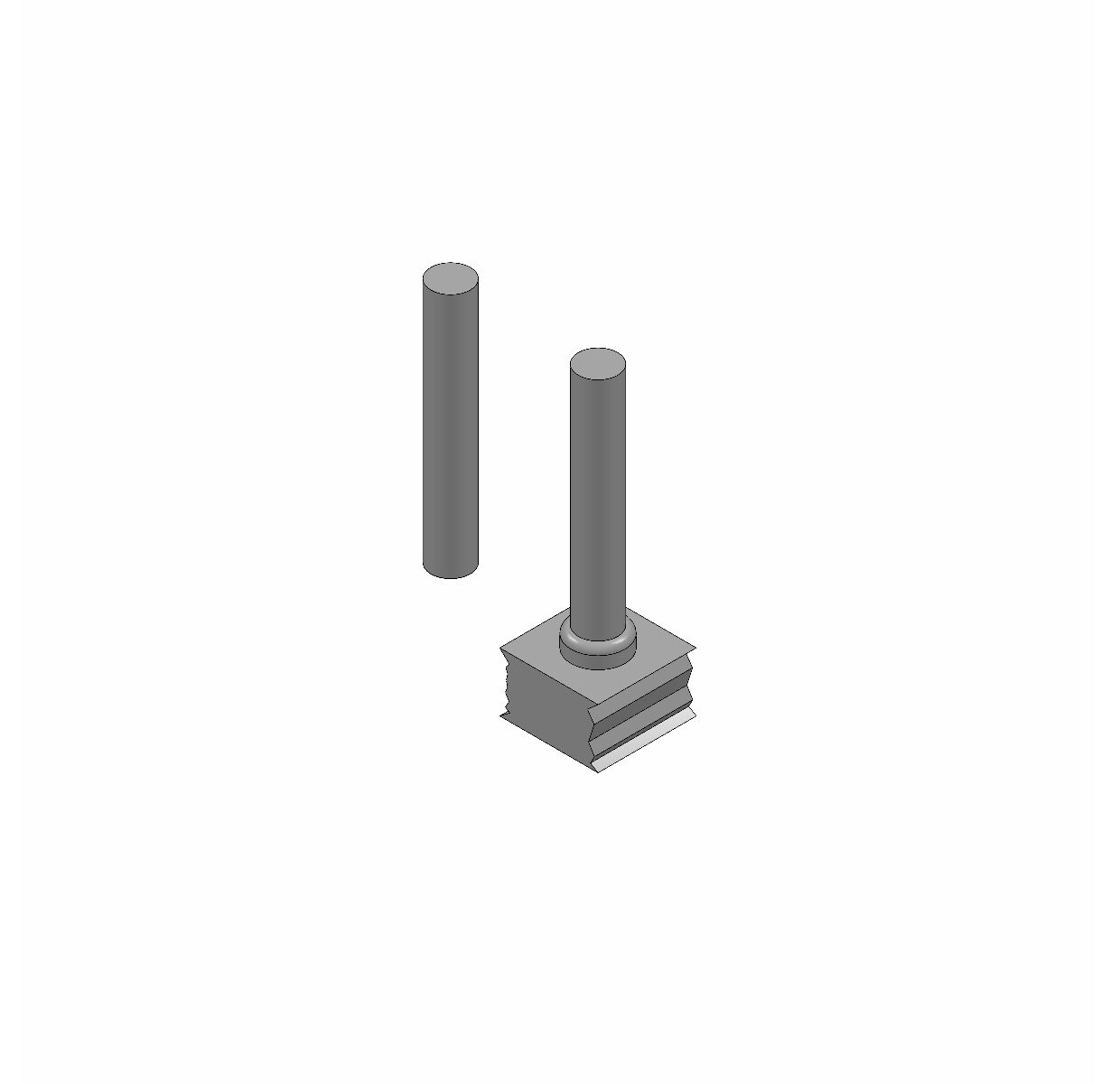
The product range includes threaded studs, internally threaded studs, pins, headed studs (KBMI), DUO studs, and custom geometries. Depending on your requirements, we manufacture from steel, stainless steel (Cr-Ni steel), or aluminum.

Welding Processes
The shape of the welding end is precisely tailored to the process—whether drawn arc stud welding or capacitor discharge. The interplay between the stud, base material, equipment, and settings guarantees the highest quality for the welded joint.

Special Designs
In addition to standard dimensions, we develop and manufacture custom designs based on drawings. This allows us to accommodate special connection shapes, limited installation spaces, and specific load requirements.
PRACTICAL EXAMPLES
Applications
Welding studs are used wherever fastening points need to be attached quickly and permanently to metallic components. In shipbuilding, they are used to support ceiling and wall mounts, cable fastenings, rail systems, pipe supports, and cladding. Because the base plate is not drilled through, the reverse side remains sealed and watertight.
Ship interior fitting
When attaching a substructure, the welding stud is welded directly onto the deck or wall. The matching bracket can then be installed immediately. This enables short cycle times and maximum strength without rework.
Your benefits at a glance
• Fast assembly
• No drilling and no damage to the rear of the component
• Permanent and high-load connection
• Reproducible quality with correctly matched process parameters
• Wide selection of geometries, dimensions, and materials
• Suitable for individual parts, small series, and industrial mass production
• Custom special designs according to drawing or application
• Lower assembly and rework effort compared to many conventional fastening methods